
The Oregon Seismic Safety Policy Advisory Council (OSSPAC) studies, among other things, expected sanitation issues in the event of a Cascadia Subduction Zone (CSZ) magnitude 9.0 earthquake. OSSPAC has found that Oregon’s population living within the probable earthquake-impact area will produce at least 1,000 tons of feces… every single day.
After the earthquake, toilets won’t flush.
To get an idea of how big the problem is, let’s look at Blue Whales. Here, we can see the size difference between a human, an elephant, and a Blue Whale.

That’s right. Oregon’s future CSZ impact area—to say nothing of California, Washington, or British Columbia’s—will need to contend with the equivalent weight of SIX blue whales’ worth of feces… Every. Single. Day.

And not being able to flush will be a problem for more than just one day. Oregon’s Regional Disaster Preparedness Organization (RDPO) has evaluated how to manage that quantity of feces during the first 30 days following the earthquake.





That’s a lot of… whales. This issue will be worsened by the lack of running water necessary to wash hands and bodies.
So, what can you do to get ready?
It’s relatively cheap and easy to set up the Twin Bucket System and the Handwashing Station. “Plastic buckets – 5 or 6-gallon size; 2 buckets for 3-4 people for 3 days; a dozen buckets for a month.”

Make sure to add toilet paper/wipes, soap, hand sanitizer, cleaning wipes, bags for the toilet buckets, and masks (for the smell).
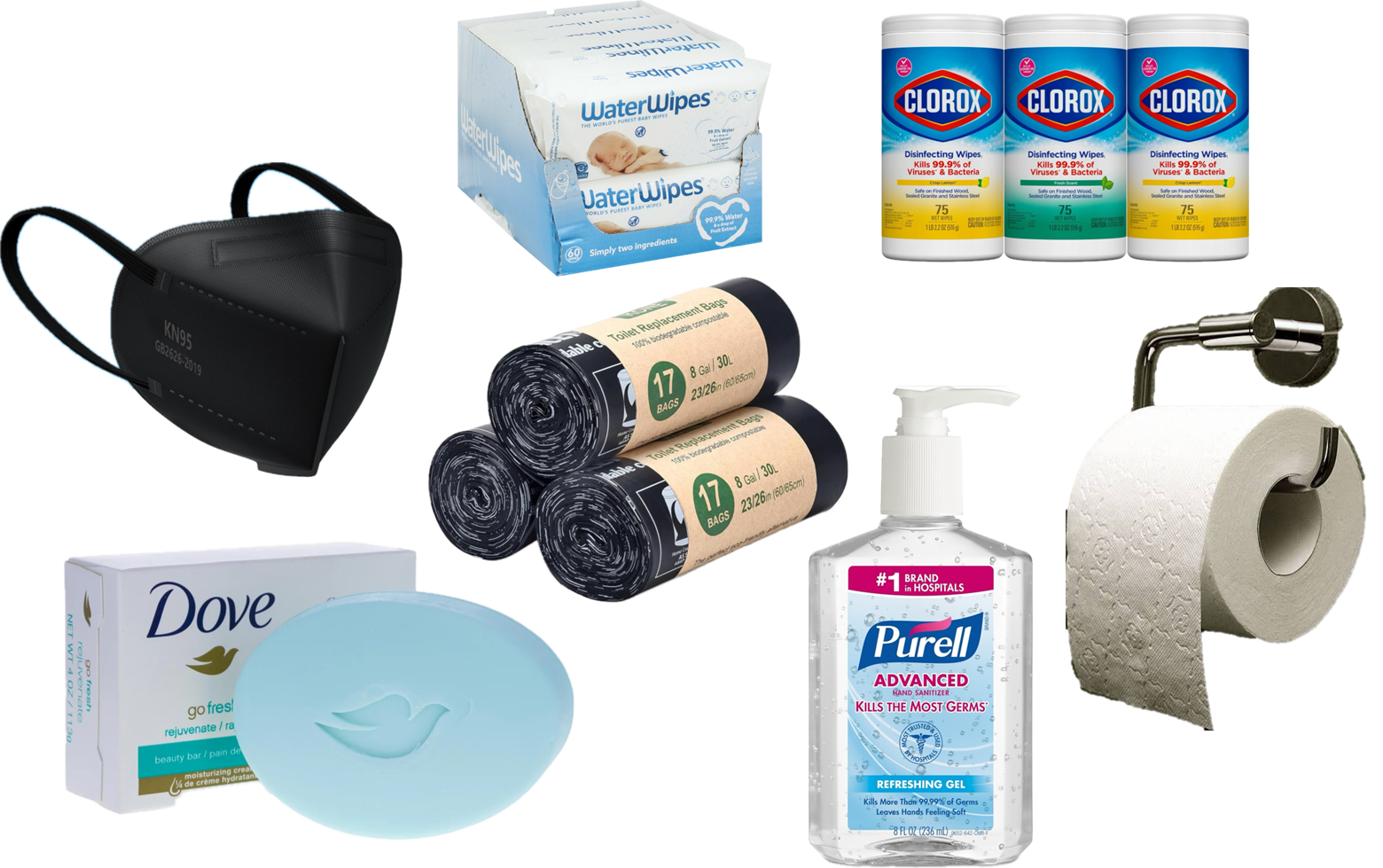
Take the time this week to get the necessary supplies. Set it up. Be ready. In a situation where emergency responders will be wildly overwhelmed, your goal is to be as self-sufficient as possible for two weeks (or more). Taking this step will make a huge difference!
Organizations Recommending That You Get 2-Weeks-Ready
- American Red Cross Cascades Region
- Oregon Department of Emergency Management
- Washington Emergency Management Division
- Central U.S. Earthquake Consortium
- City of Salem
- Oregon’s Lane County
Reminder: 1 gallon of water/person/day is meant to cover drinking and sanitation. Visit the water page for more ideas on water preparedness. Is less expensive than you think to be Water-Ready!!
 Surviving Cascadia