The impacts of a magnitude 9.0 Cascadia megathrust earthquake hitting the Pacific Northwest can be hard to imagine. What will it be like for families? For businesses? How will the region be affected? This page provides some estimates that help conceptualize the aftermath of this eventual disaster.
DHS ANALYTICAL BASELINE STUDY FOR THE CASCADIA EARTHQUAKE AND TSUNAMI
PBS Documentary: The Cascadia Megaquake is Inevitable. And It Will Reshape America Forever
FEMA’S CASCADIA SUBDUCTION ZONE EARTHQUAKE AND TSUNAMI PLAN
National Geographic Documentary: The Pacific Northwest Megaquake
CSZ EARTHQUAKES: A MAGNITUDE 9.0 EARTHQUAKE SCENARIO (CREW)
PBS Documentary: Wait… The Worst Possible US Disaster Just Got Even Worse?
ESTIMATED AVERAGE ANNUALIZED TSUNAMI & EARTHQUAKE LOSSES FOR THE US
University of Oregon: The Imminent Megaquake in the Pacific Northwest
CASCADIA RISING: CSZ EARTHQUAKE AND TSUNAMI EXERCISE SCENARIO
And Damage Impacts Overview
Click here for the Cascadia Rising StoryMap Cascadia Rising 2022, developed by the Consortium for Emergency Services Technology (CEST) & Idaho Office of Emergency Management.
PBS Documentary: The Pacific Northwest is Due For a Major Earthquake
ARGONNE NATIONAL LAB BRIDGE SEISMIC SCREENING TOOL
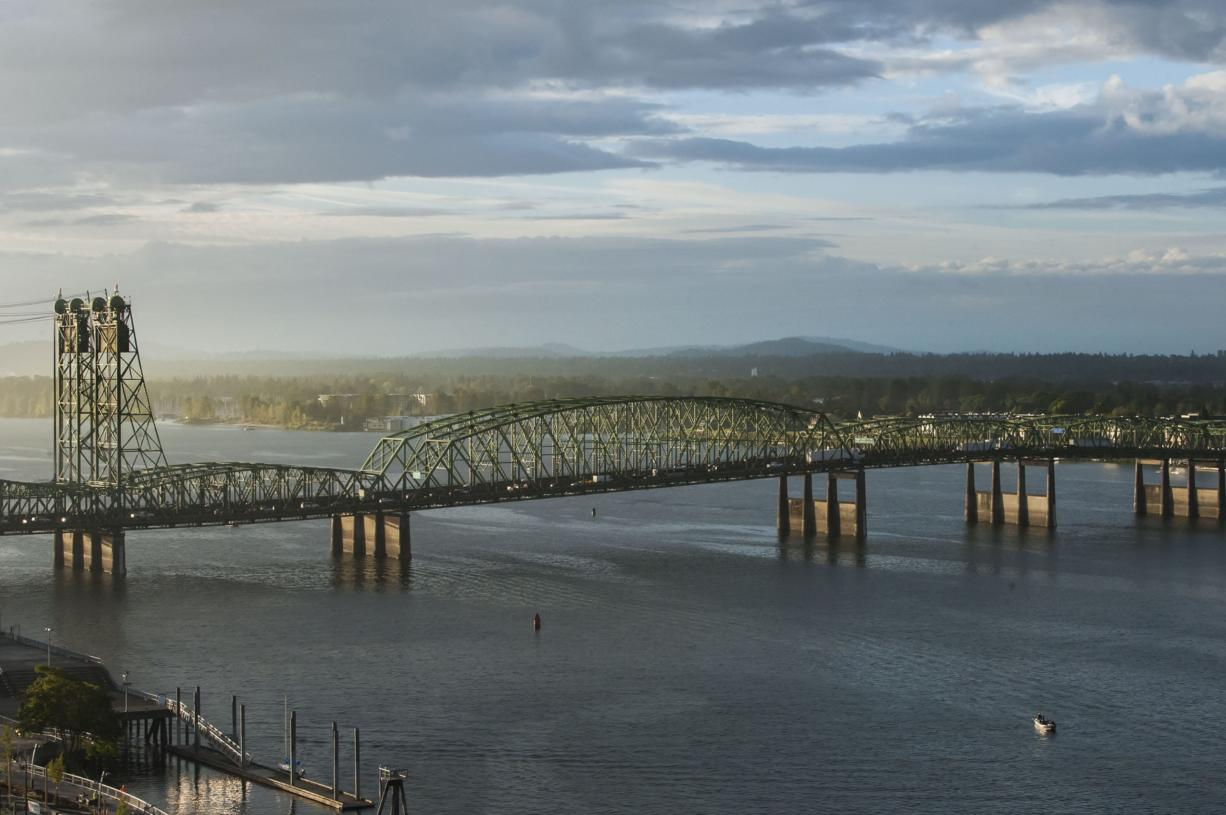
Connecting Portland, Oregon, to Southwest Washington over the Columbia River is the I-5 bridge (Image Credit: The Columbian). In its current condition, the bridge is expected to fail in a Cascadia earthquake.
Washington and Oregon have both contributed funds and received additional federal funding to help replace the bridge, but the work hasn’t begun yet.
According to the Statesman Journal, “The bridge — so old that horses were still a main mode of transportation when it opened — now carries more than 130,000 vehicles a day.”
Should the earthquake hit prior to the bridge’s replacement, Transportation Secretary Pete Buttigieg is quoted as saying, “You can see how [the I-5 bridge] is showing its age and how catastrophically disruptive it would be if that bridge were unavailable even for one day. I think you would feel the effects across the country.”
…Across. The. County.
That’s a key point. While this page looks at regional impacts, it’s important to note that our world is interconnected. A regional disaster this large will impact supply chains (the flow of goods like gasoline, groceries, diapers, medications, etc.) far beyond the region’s borders. Here is a simulation of another critical bridge in Portland.
Bridges aren’t just critical for response and recovery efforts; many are critical for successful evacuation efforts during the event. Many along the coast are essential for tsunami evacuation, but there are other evacuation situations to consider. For example, a 2025 Oregonian op-ed discusses the importance of building a new bridge across Columbia Boulevard near Portland’s north peninsula. Within the peninsula, roughly 20,000 people are at risk of close-proximity inhalation of toxic fuel released from the CEI Hub during a Cascadia event… and without this new bridge, those on the peninsula may not have a viable evacuation route. Better Energy LLC submitted written public testimony for Oregon HB 2749, which looks to fund the new bridge. There are communities in similar situations across the potential impact area. Check out the neighborhood’s Facebook page for additional information.
PBS: The Next Big Earthquake Could Sink Parts of the Pacific Northwest
PBS: This Earthquake Drowned the Pacific Northwest [coastline]


