When we think about preparedness, categories like food, water, and shelter are typically the first to come to mind. Then, first aid, medications, personal documents, and pet preparedness enter into more in-depth conversations. But there is another, equally important topic to address.
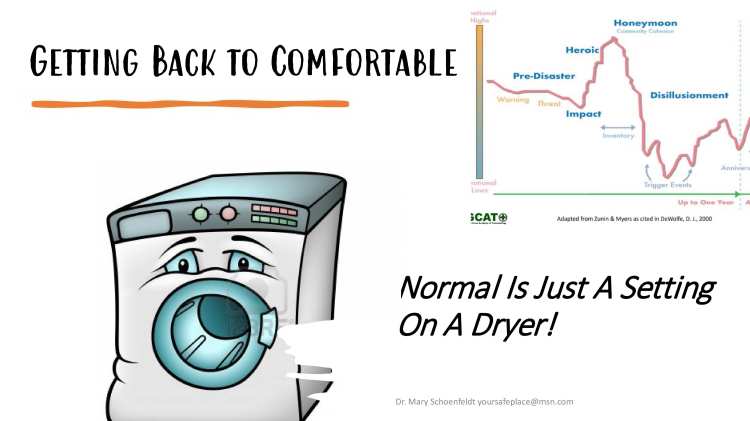
Have you ever found yourself wondering what happens to your brain and mental status before, during, and after a disaster? More to the point, have you ever wondered how to incorporate mental health preparedness in your Cascadia preparedness journey?
MENTAL HEALTH PREPAREDNESS WEBINAR INFORMATION
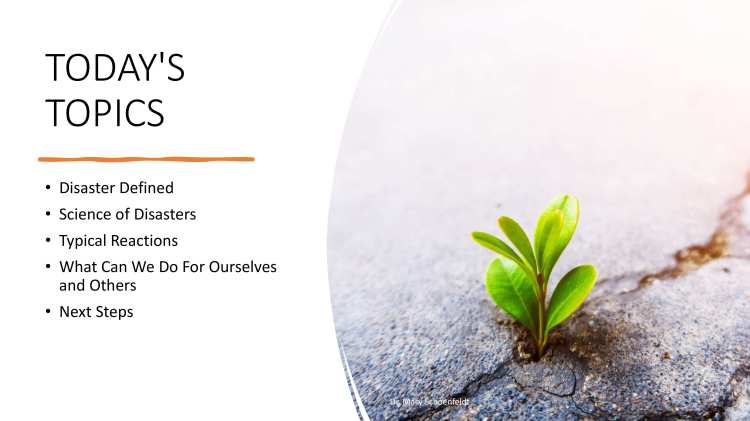
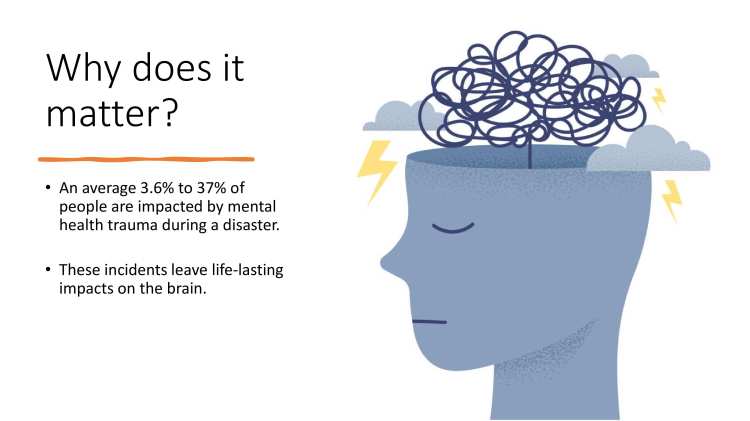
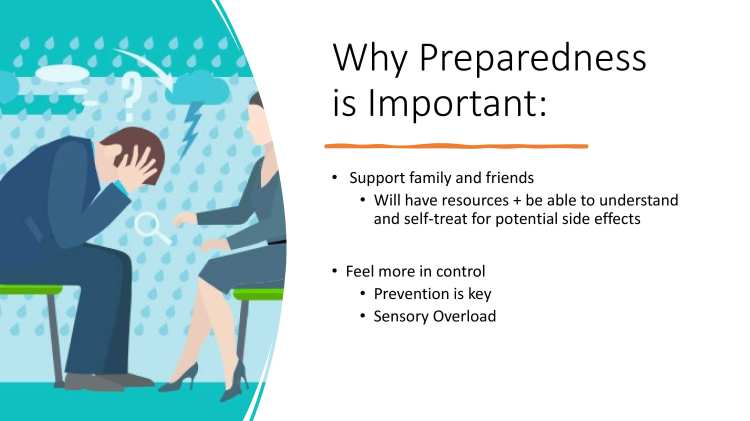
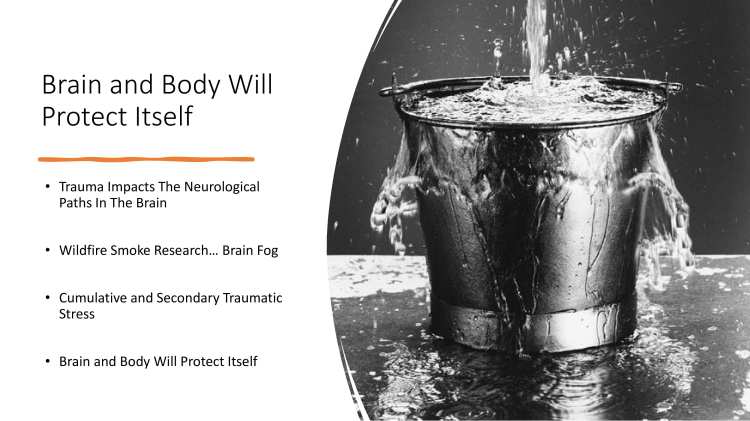
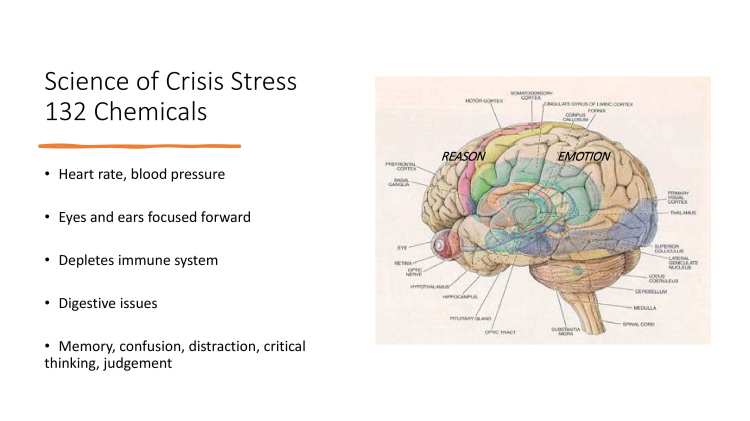
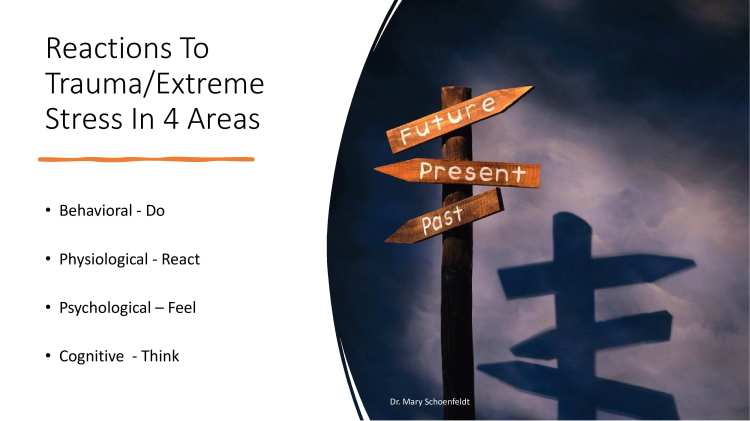
Nandika Devarajan, FEMA’s Region 10 Youth Preparedness Council Co-chair, and Dr. Mary Schoenfeldt gave a phenomenal webinar on mental health preparedness that addresses these very questions. You can listen to the recording here and view the slides below.




SITUATIONS THAT INCREASE TRAUMA
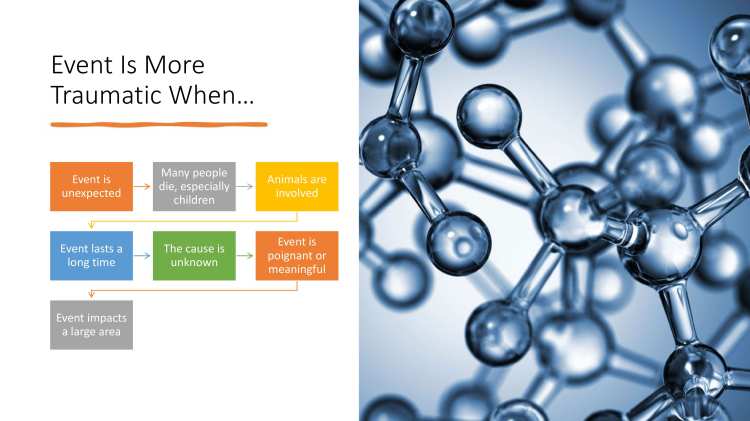
Of the eight items discussed in the webinar known to make certain disasters more traumatic than others, five (notated with an asterisk in the list below) will certainly be present during a Cascadia quake. The fact that the earthquake and tsunami could happen at night—the darkness heightening fear and a lack of control—adds a potential sixth check mark to this list, which is why taking steps to minimize the trauma ahead of time is so critical.
* 1. Unexpected event
* 2. Many people die, especially children
* 3. Animals are involved
* 4. The event lasts a long time
* 5. The event impacts a large area
* 6. Happens in the dark
7. The cause is unknown
8. The event is poignant or meaningful (usually refers to human-caused disasters)
PREPAREDNESS & TRAINING ACTIONS TO HELP DECREASE TRAUMA IMPACT
Before the Event
* Have enough food, water, and sanitation items, and stock up on items for when the power goes out.
* First Aid and Cardiopulmonary Resuscitation (CPR), Red Cross,
* Community Emergency Response Teams (join & train for free), Oregon, Washington, California, FEMA
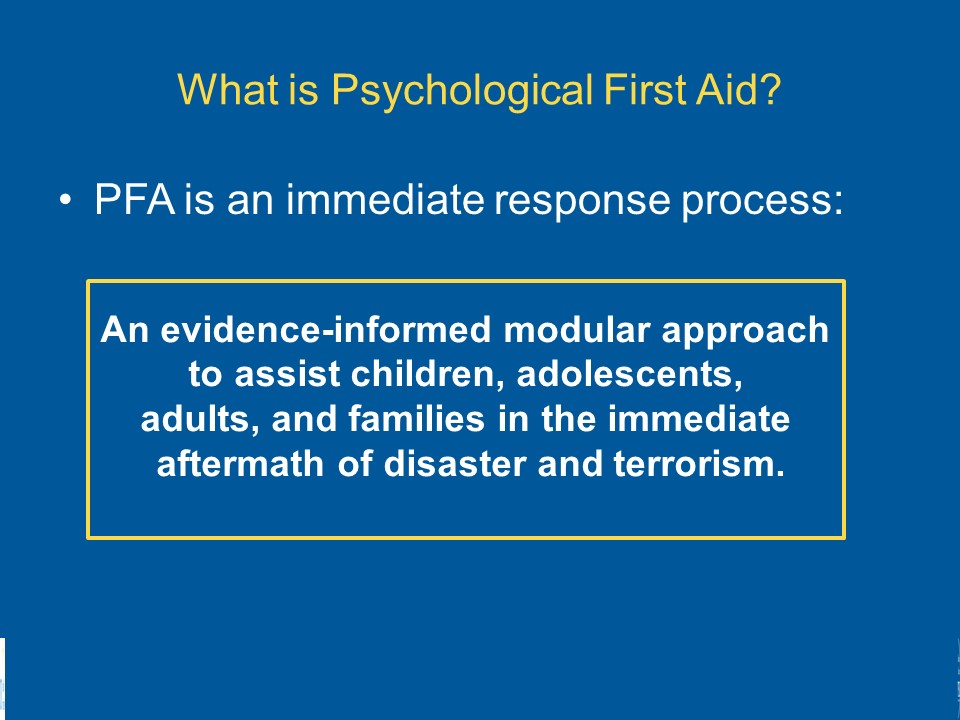
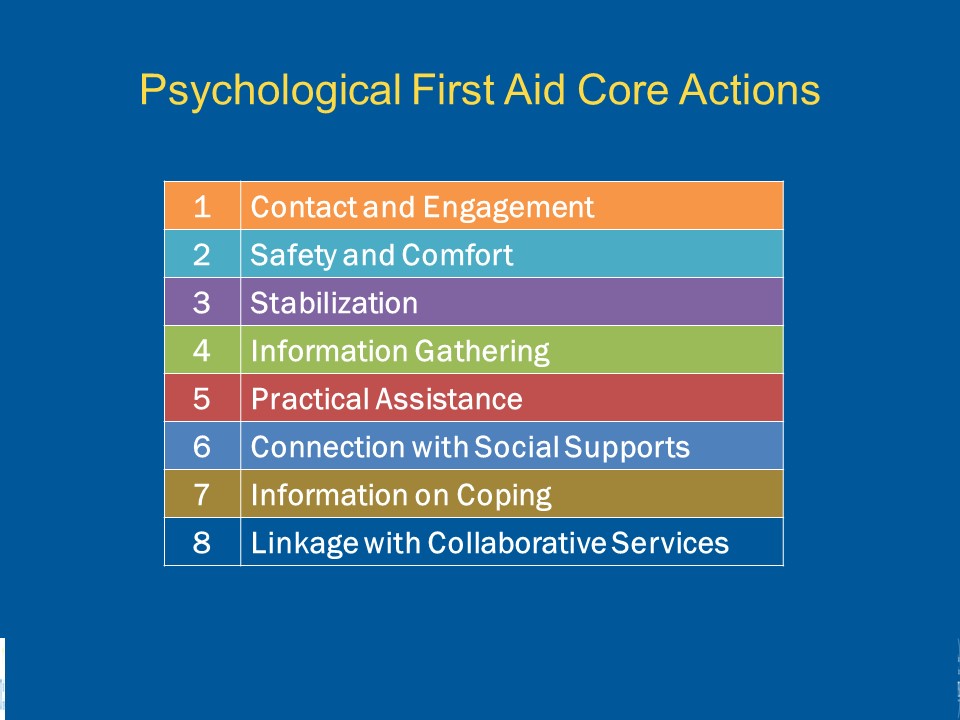
* Psychological First Aid (PFA) (for the immediate aftermath), National Center for PTSD, and the National Child Traumatic Stress Network
* Critical Incident Stress Debriefing (CISD) (first week after the disaster), International Critical Incident Stress Foundation, Inc.
* OEM’s free Be 2 Weeks Ready (B2WR) course (some units available below)
* Oregon State University’s free Cascadia Earthquake Preparedness course
During the Event
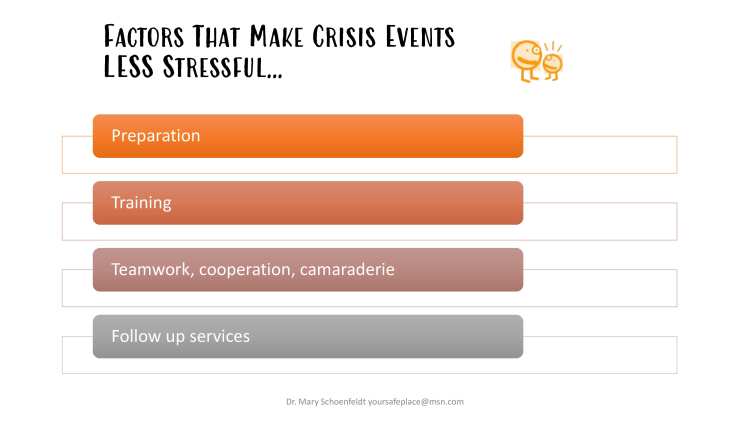
* Teamwork, cooperation, camaraderie
After the Event
* Follow-up services (counseling)
PSYCHOLOGICAL FIRST AID (PFA) TRAINING
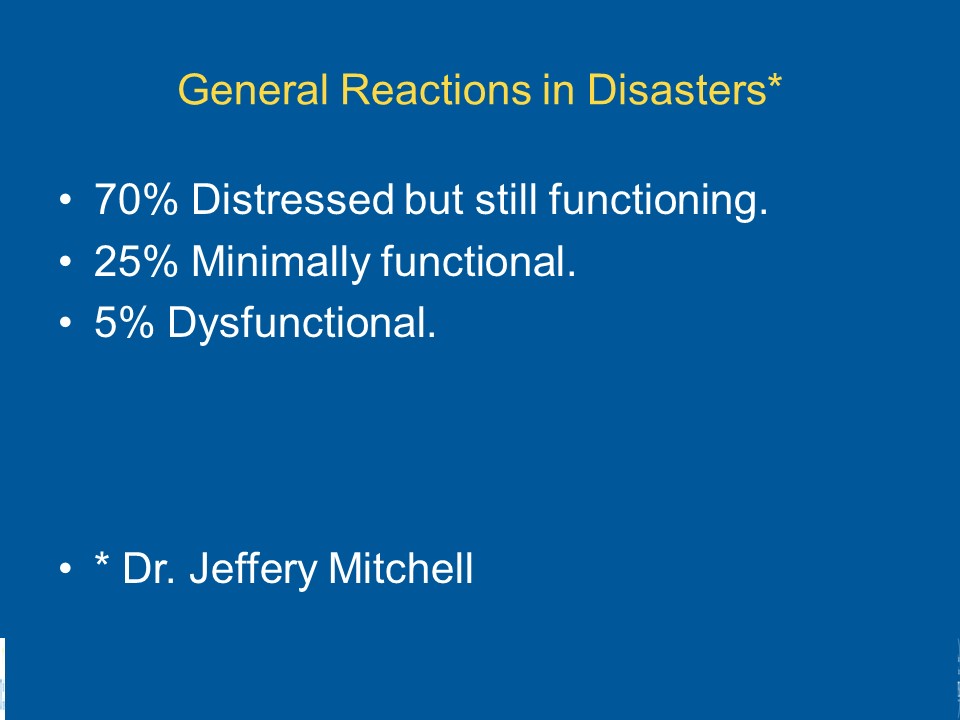
A 2016 PFA training led by instructors, Ronald A. Glaus, Ph.D., and Bill Dalton, Ph.D., shows that, in the immediate aftermath of a disaster:
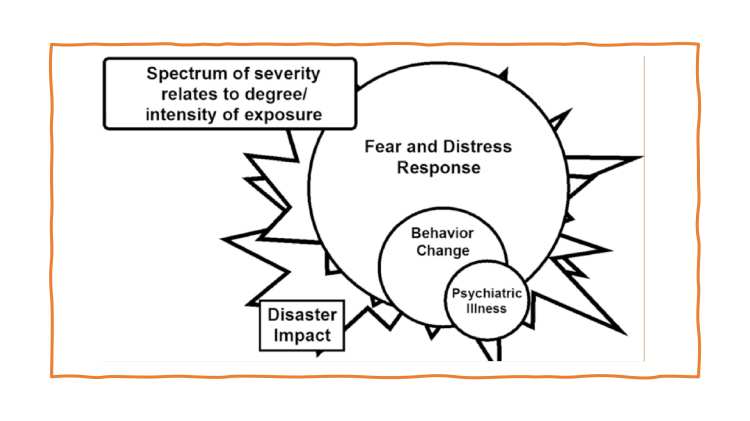
*70% of survivors are distressed but still functioning
*25% are minimally functional
*5% are dysfunctional
That’s 30% of the population struggling mentally to do the things necessary for survival… at a time when our skills and faculties need to be at their strongest to overcome the many challenges of the aftermath.
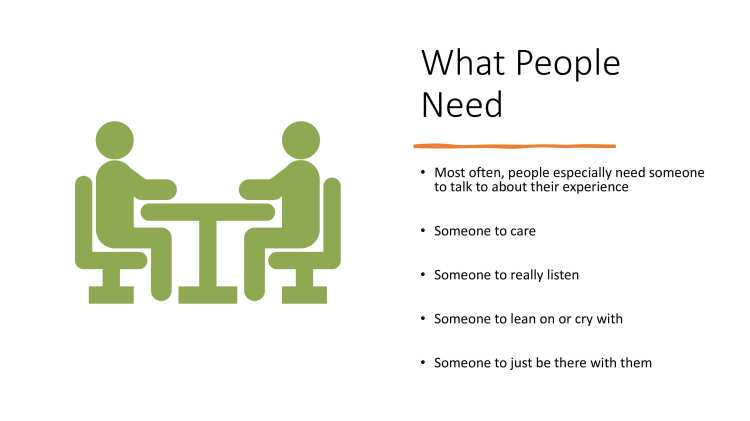
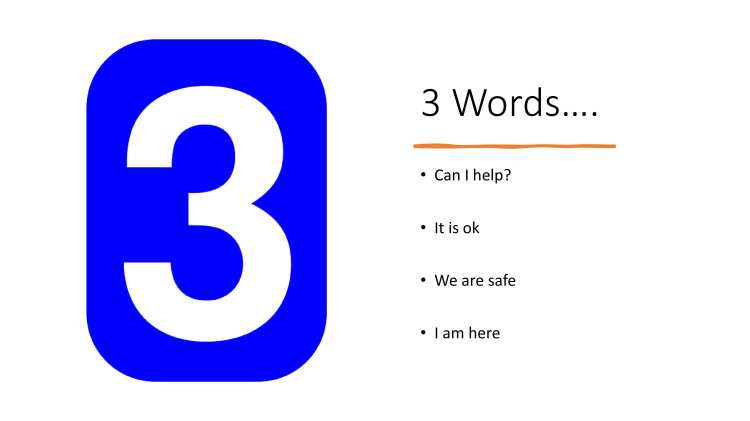
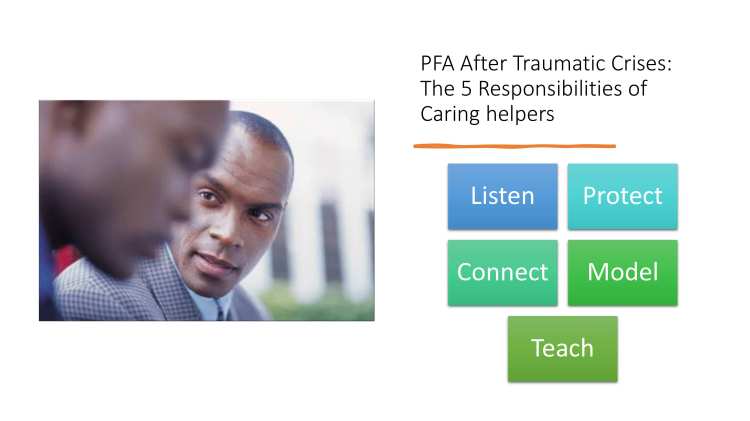
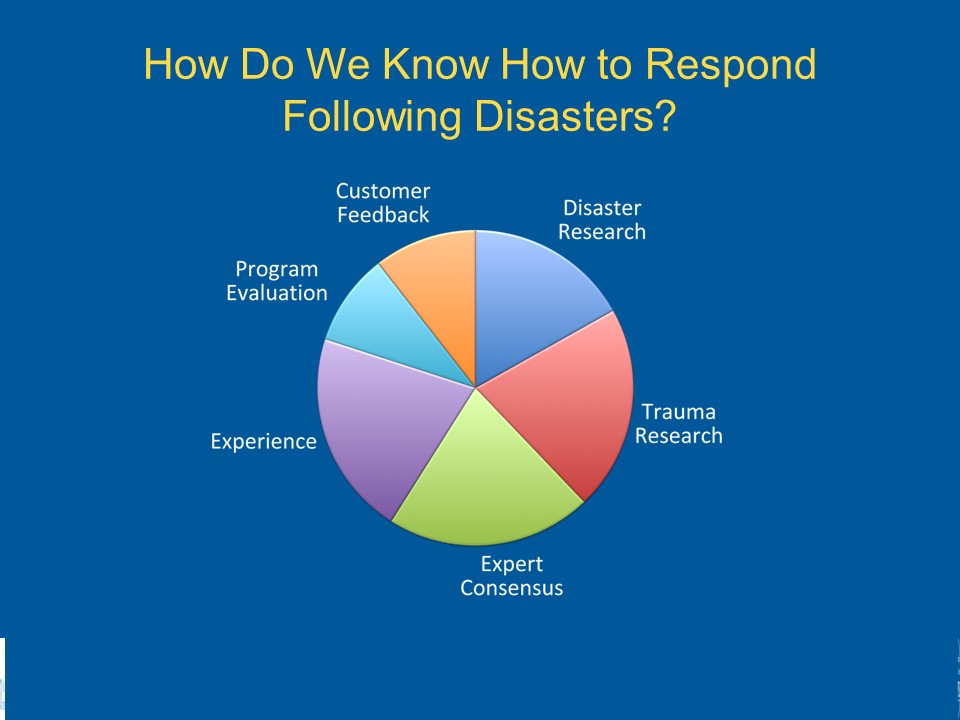
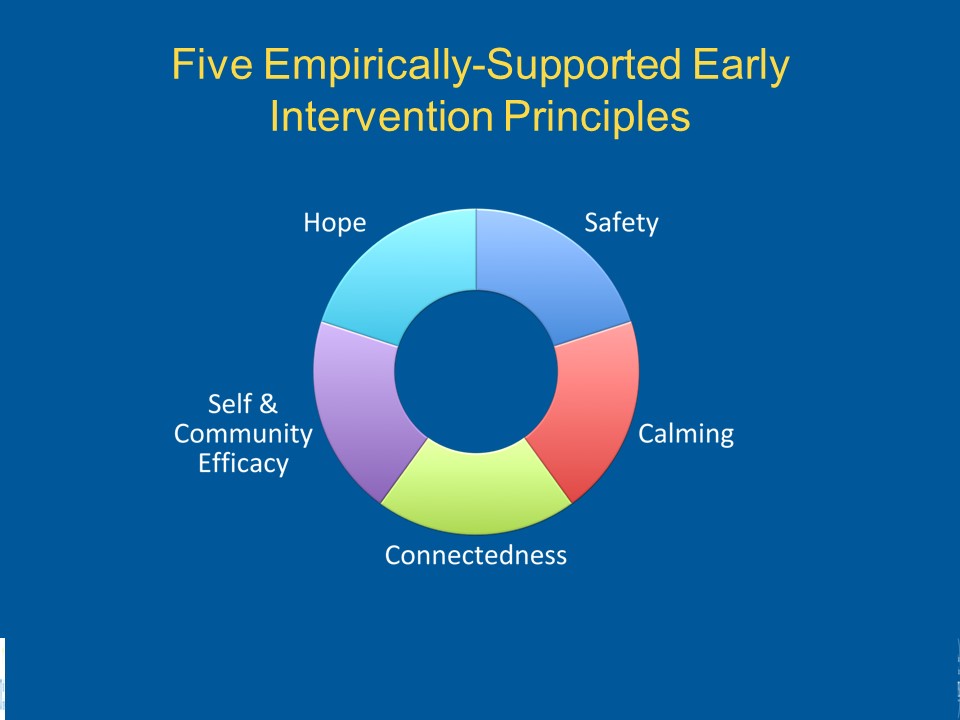
Luckily, there are things we can do to help mitigate the trauma for ourselves and our community. Here are the slides, generously shared by the PFA instructors. Taking the class allows you to practice what to do and how to help someone experiencing distress after a traumatic event, particularly after a major disaster when emergency responders are overwhelmed, and communications are down.
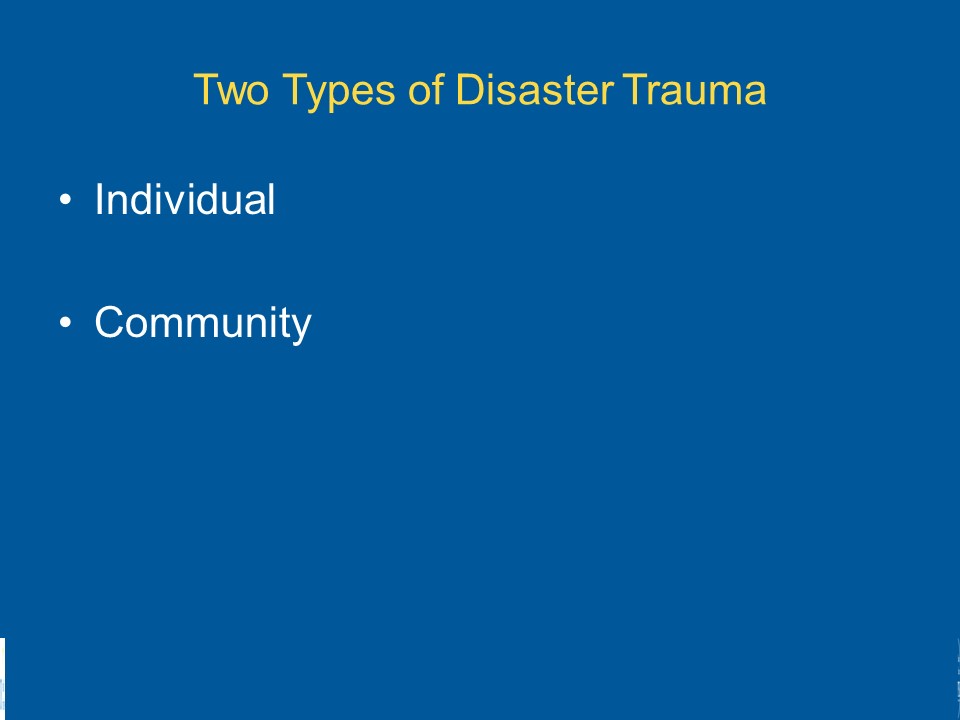
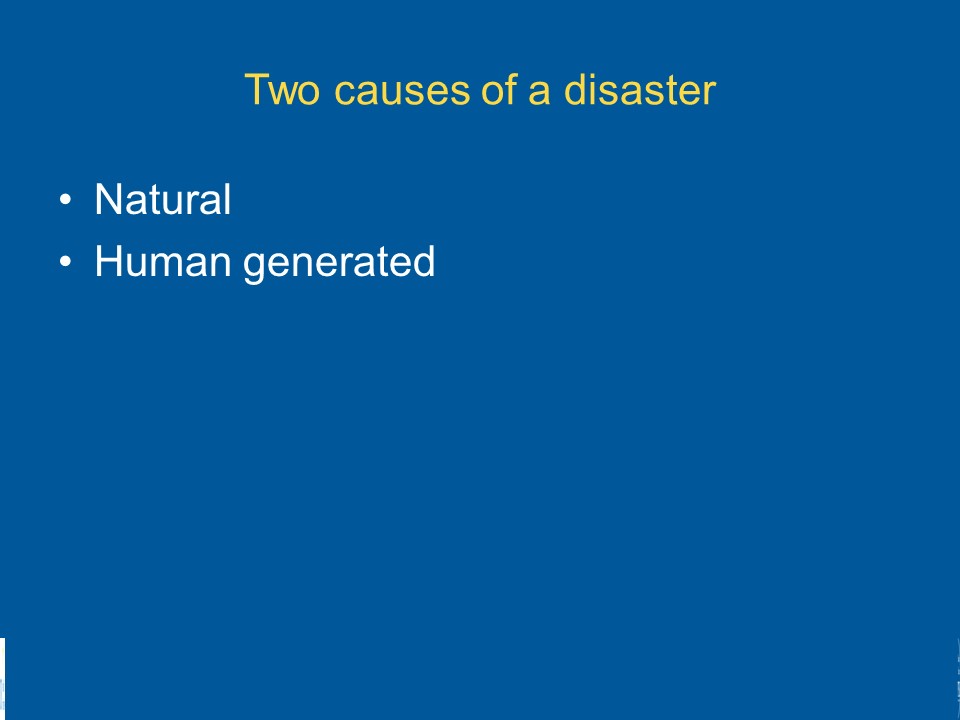
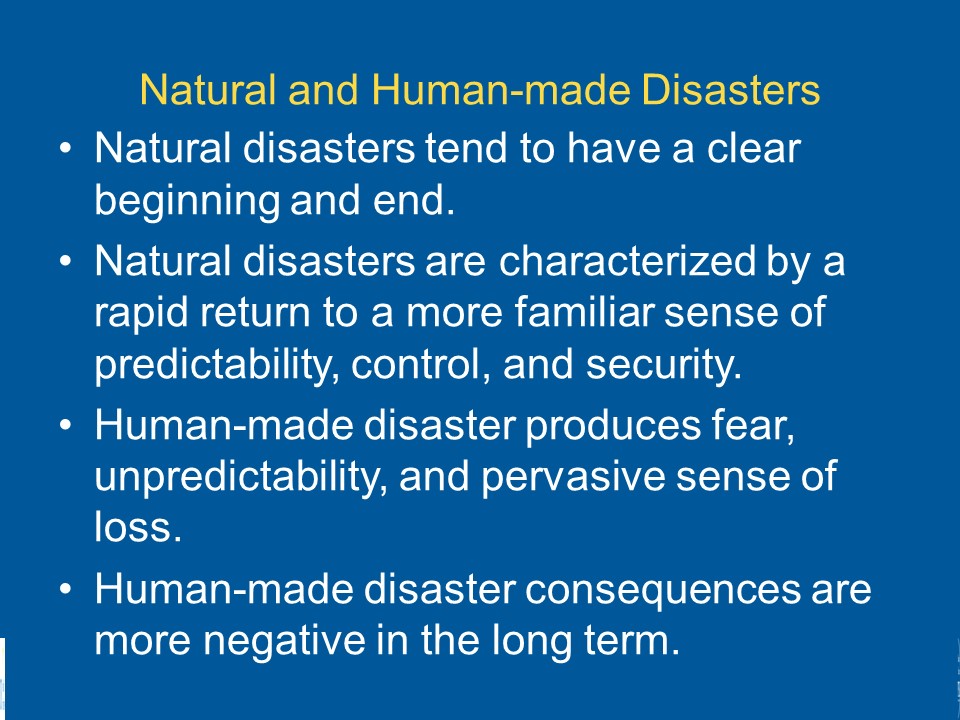
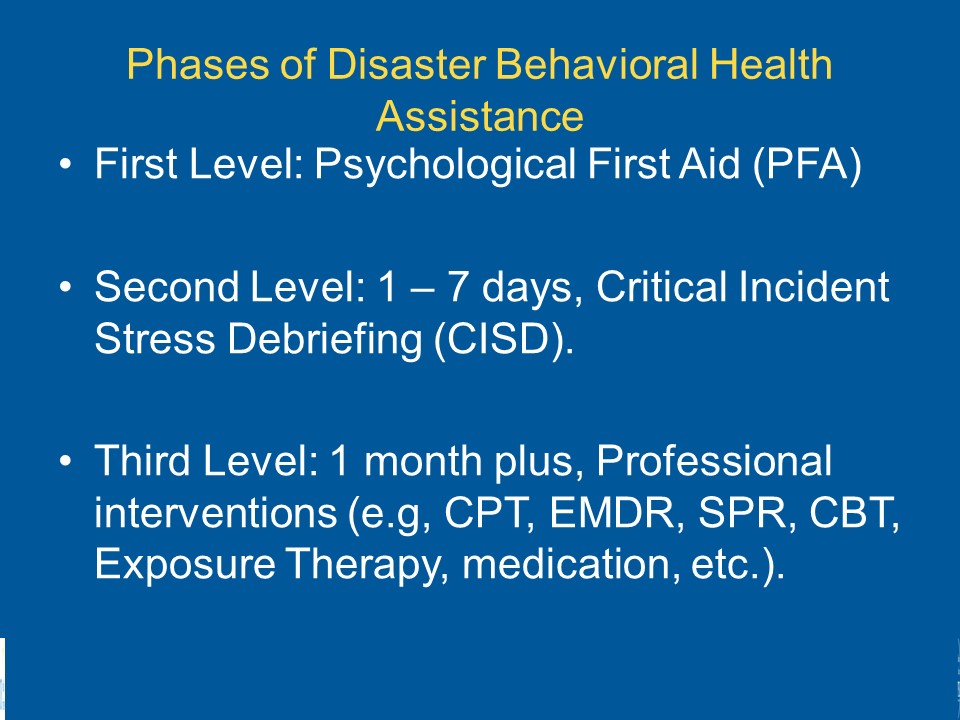
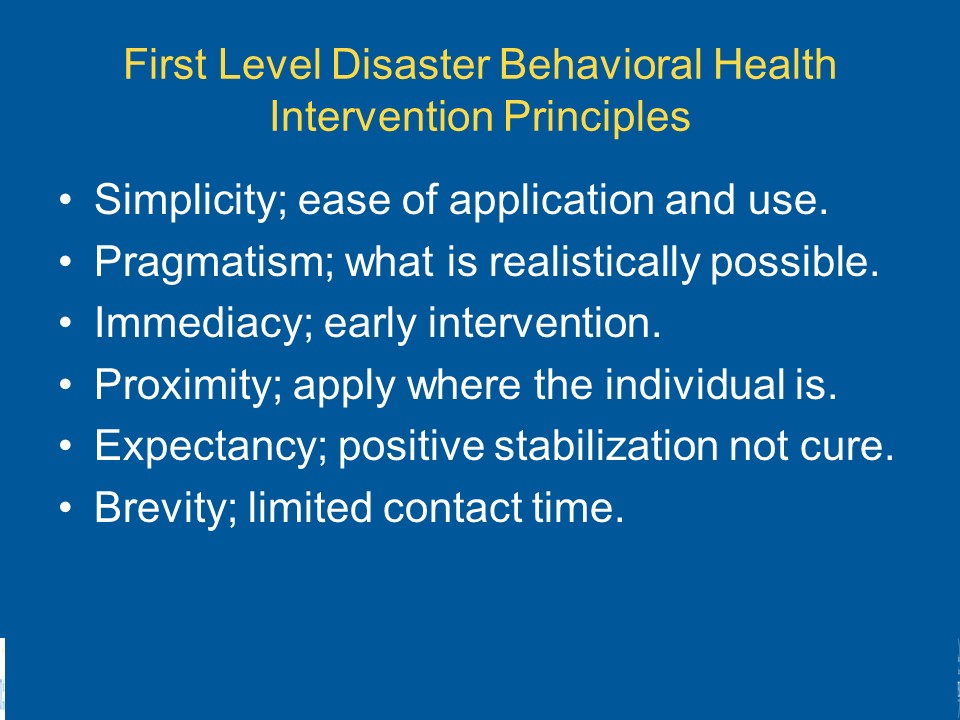
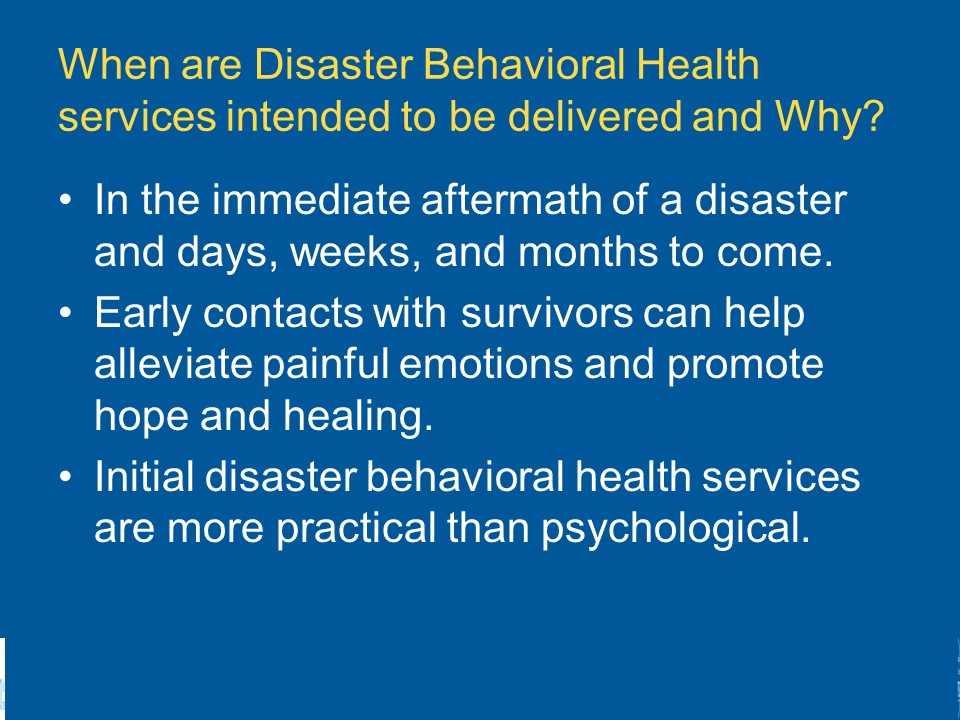
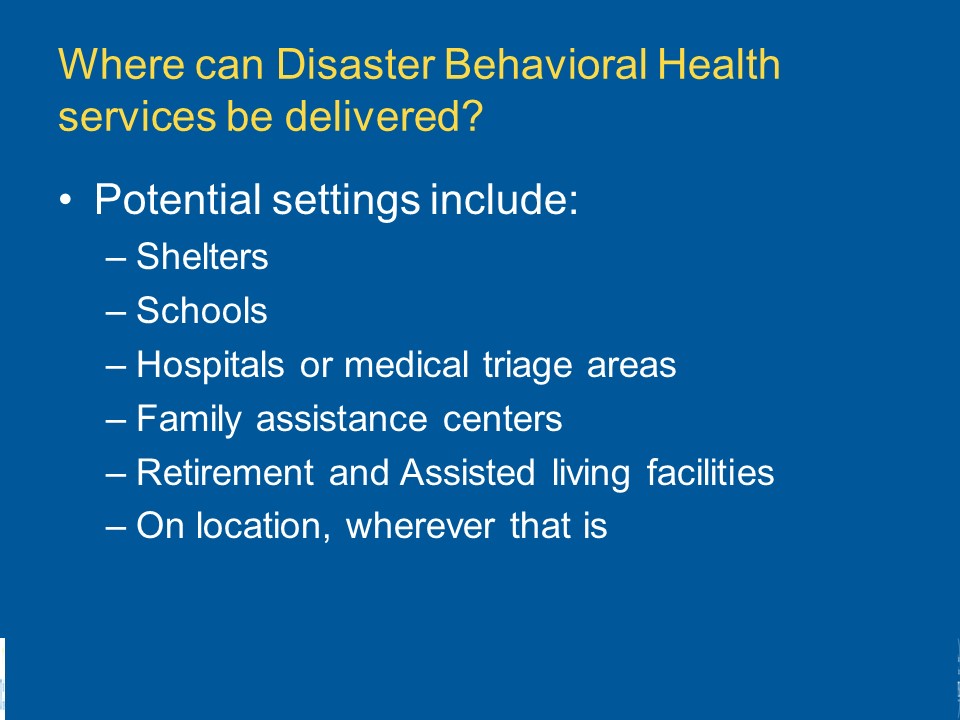
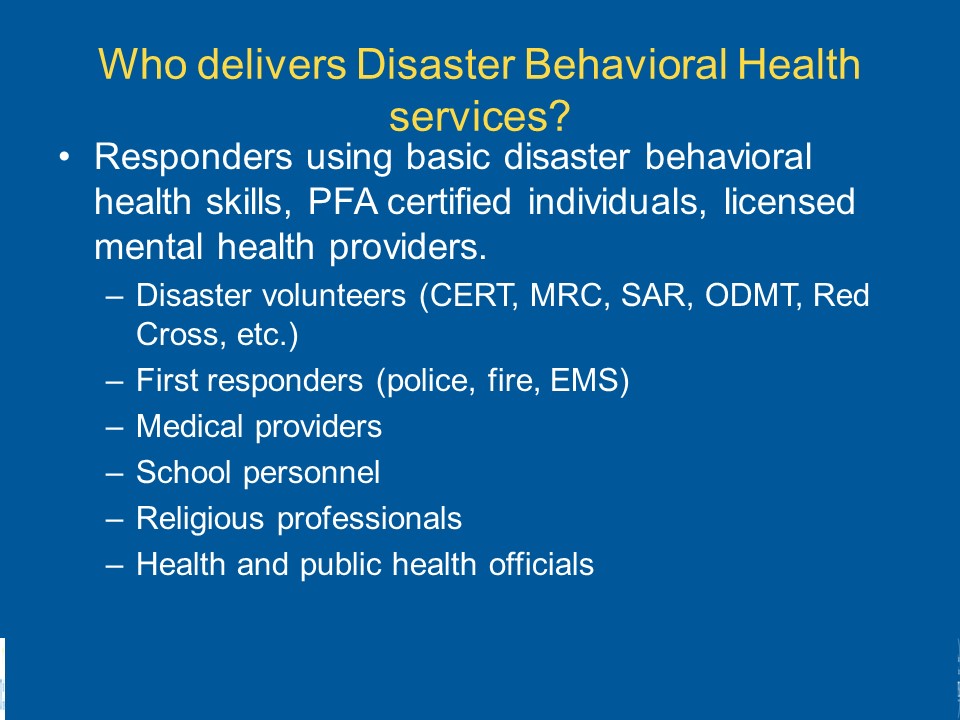
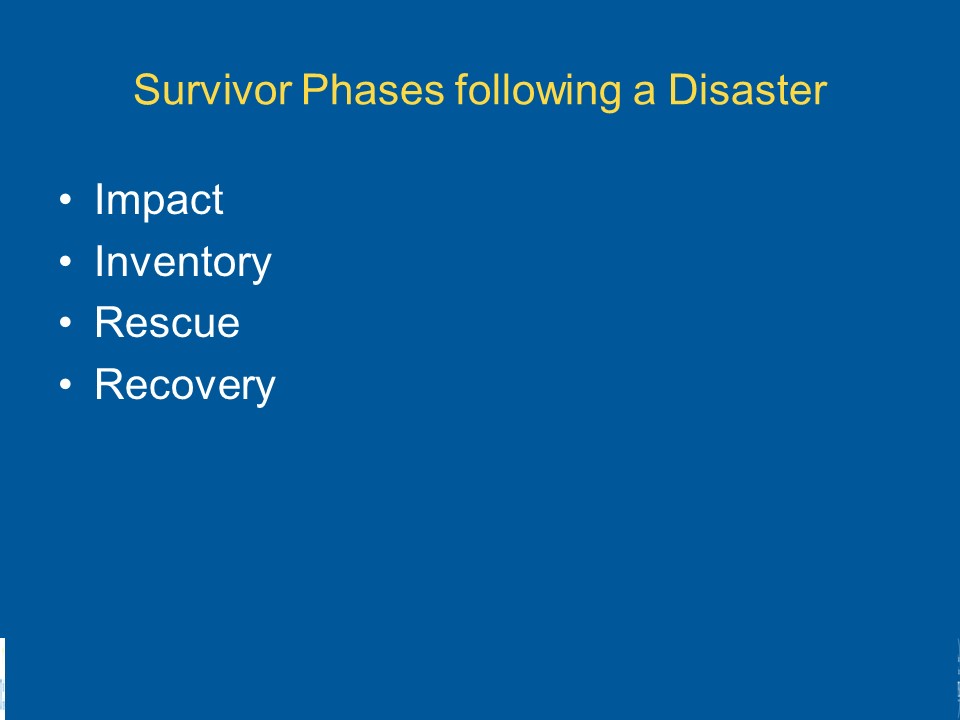
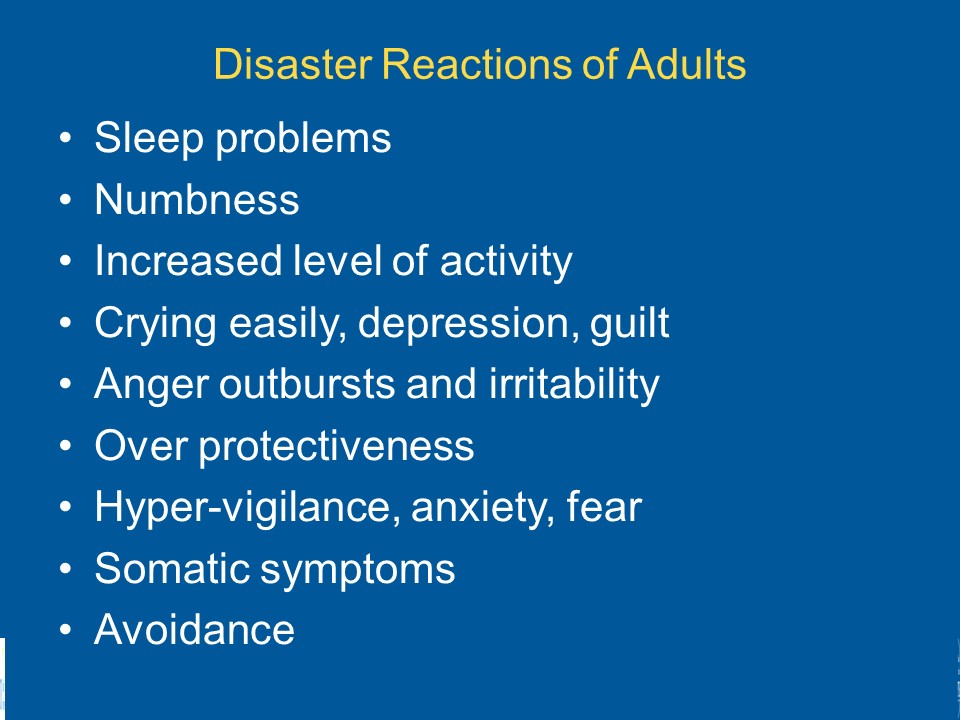
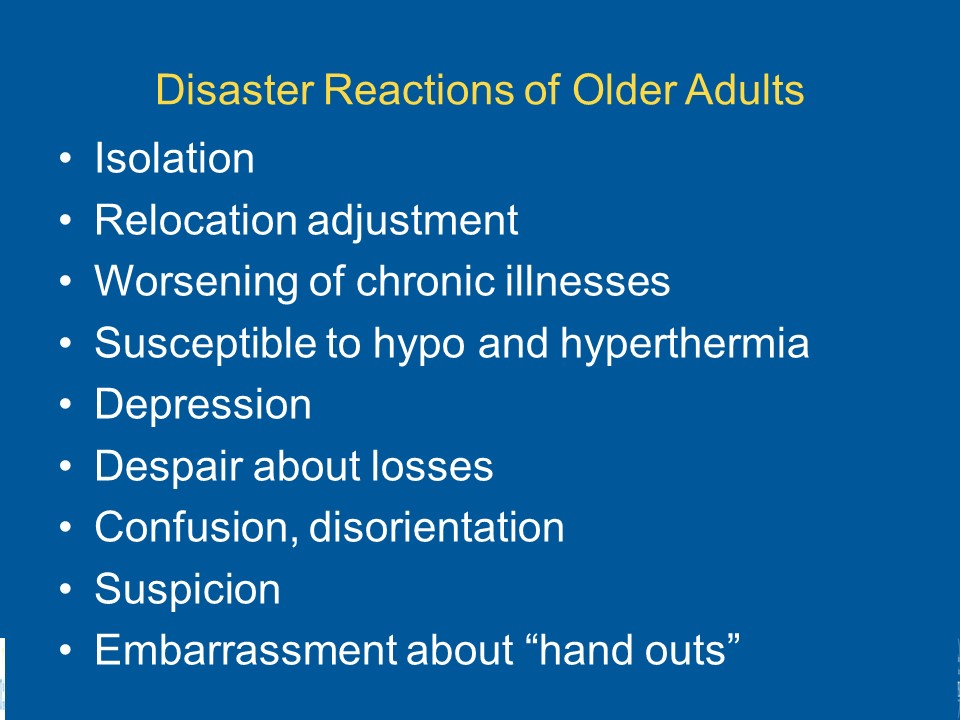
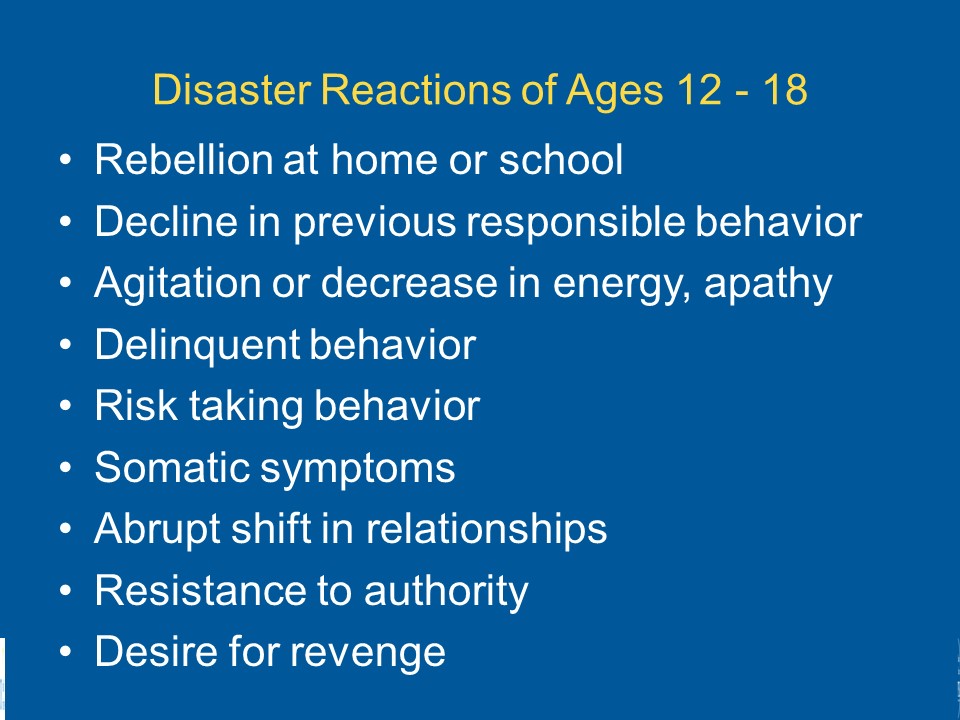
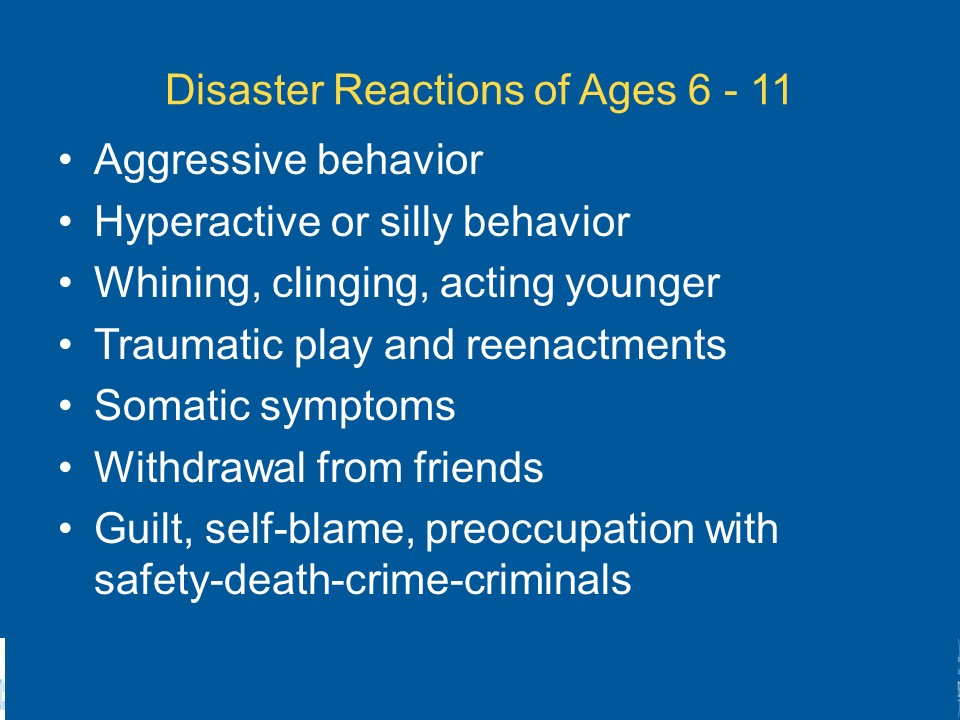
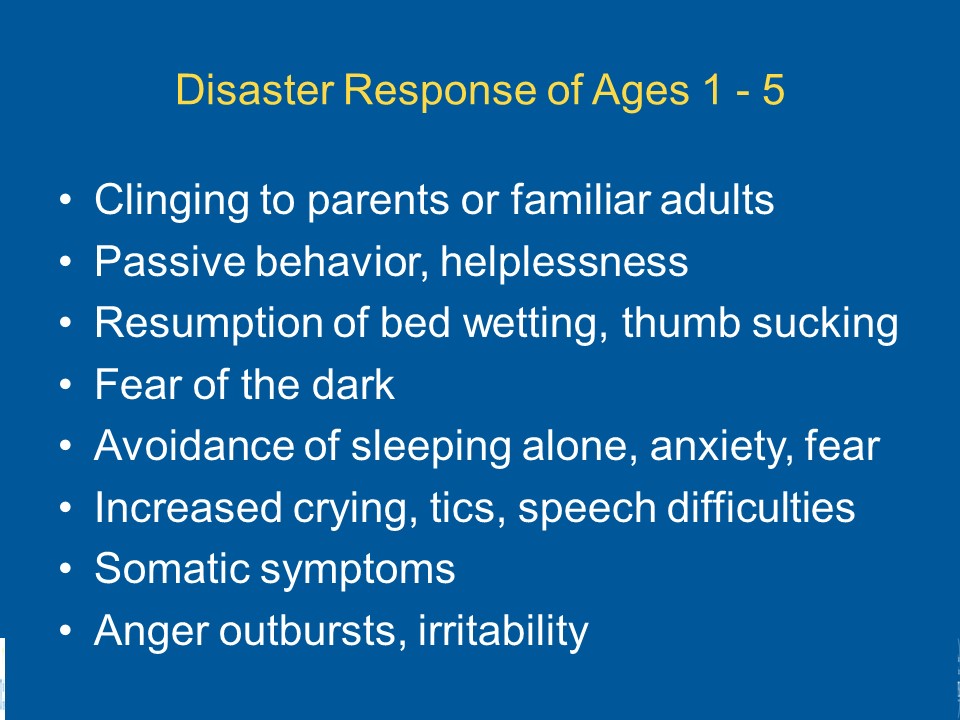
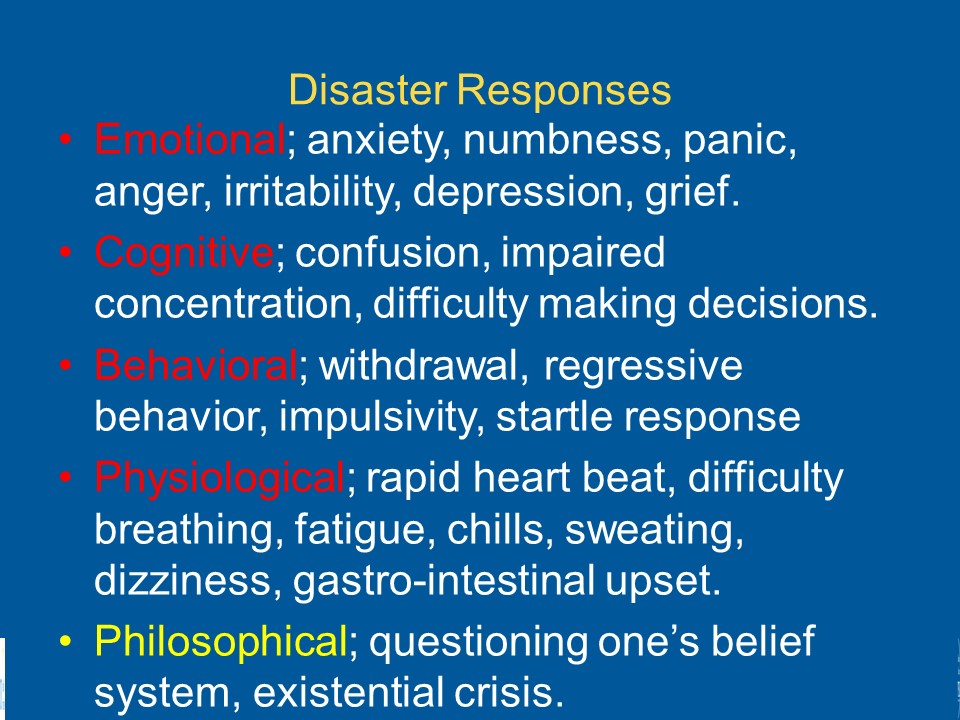
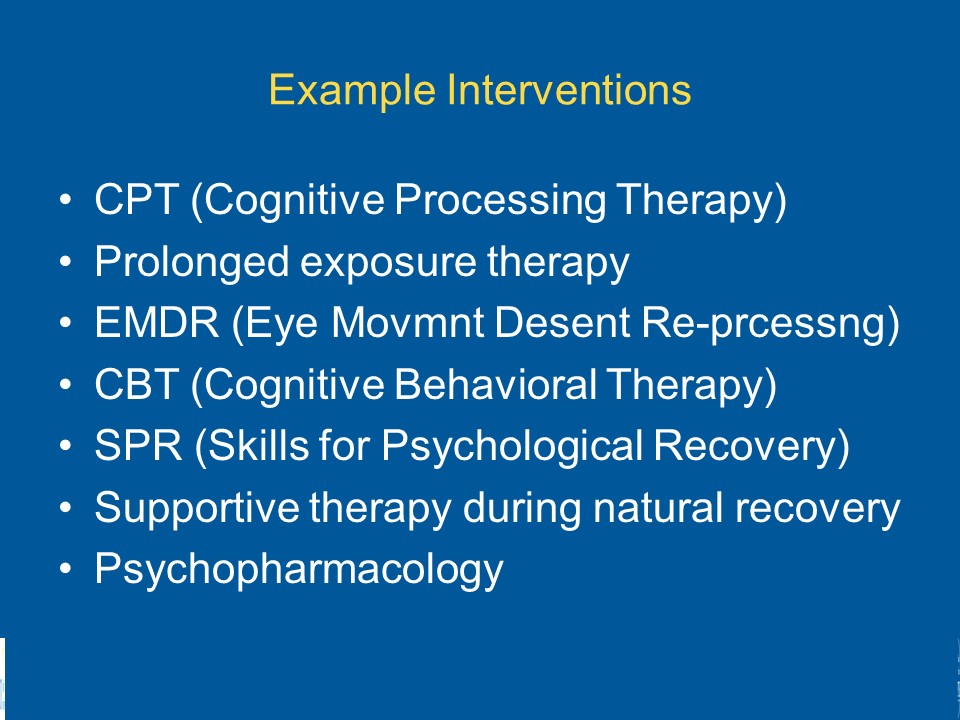

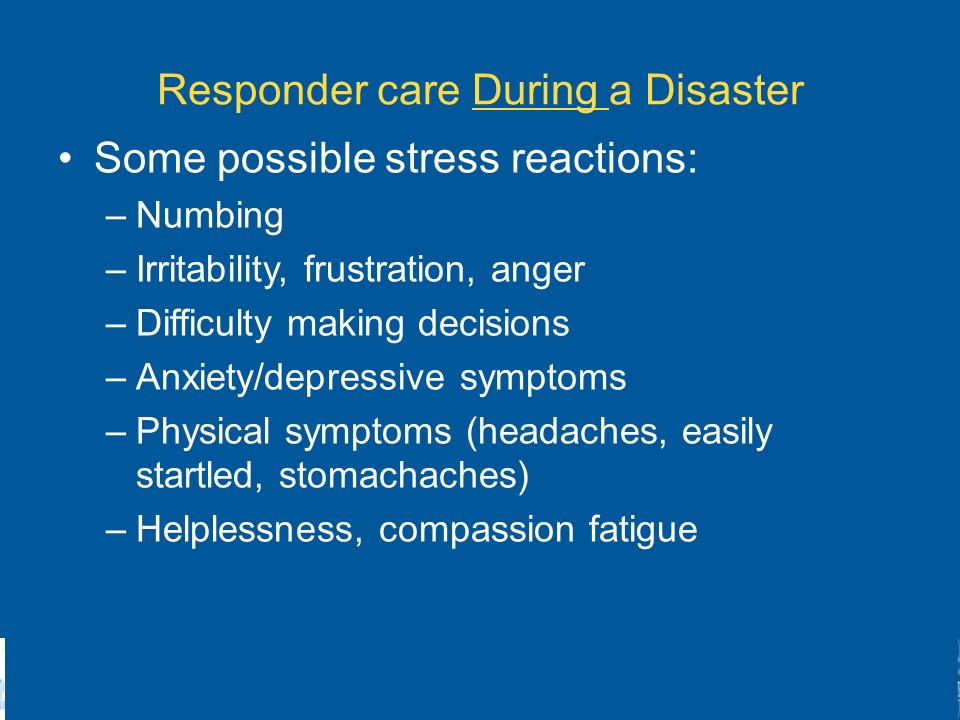
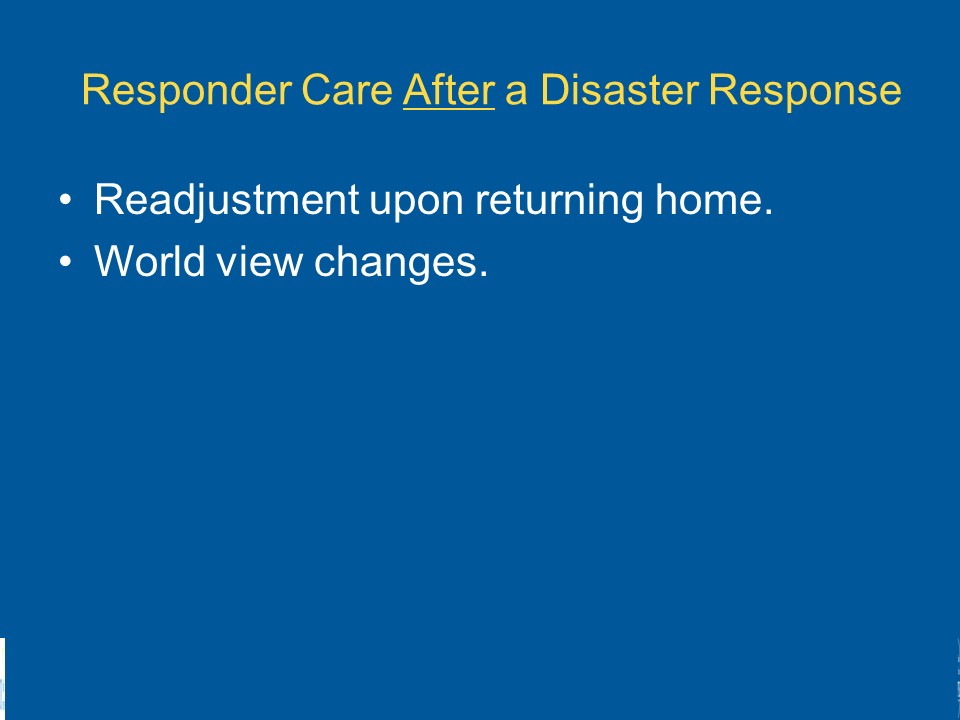
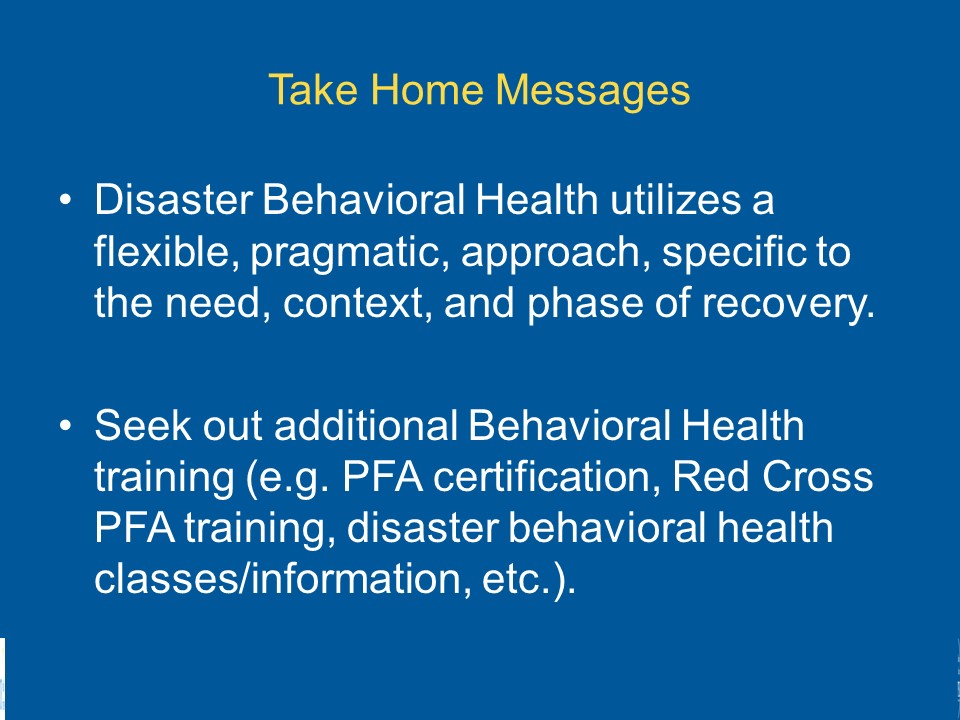

Some key takeaways from the PFA training are the reactions to expect from a loved one based on age.
COMMON REACTIONS OF ADULTS, OLDER ADULTS, AND CHILDREN

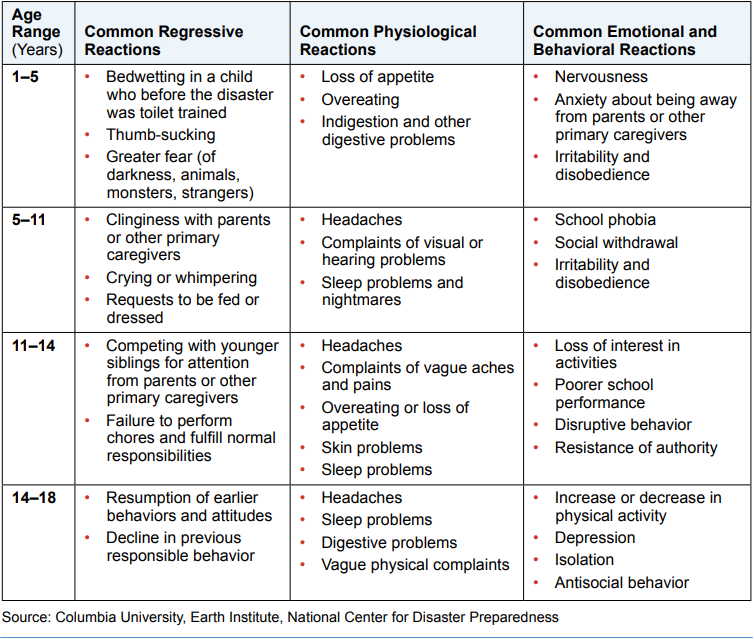
Knowledge is power! By taking training ahead of time, you will be better prepared to help loved ones (and to cope yourself) when the time comes.
RESOURCES TO READ BEFORE THE DISASTER

 Surviving Cascadia